
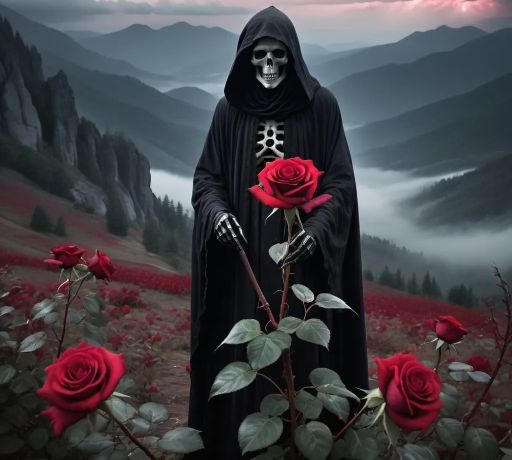
Appropriately, I just got back from a walk in the cemetery on Samhain. The winds are raging, and I’m chilled to the bone. HAHAHA. And you, dear reader, are here because you want to learn about the symbolism of funeral flowers or you’re killing time at work. (I’m killing it! Get it! HAHAHA. Yeah, I make lame jokes. I never claimed to be a comedian. A writer, yes. Comedian, nope.)
Roses are red,
Violets are blue,
Oh no,
I’ve given funeral flowers to you!
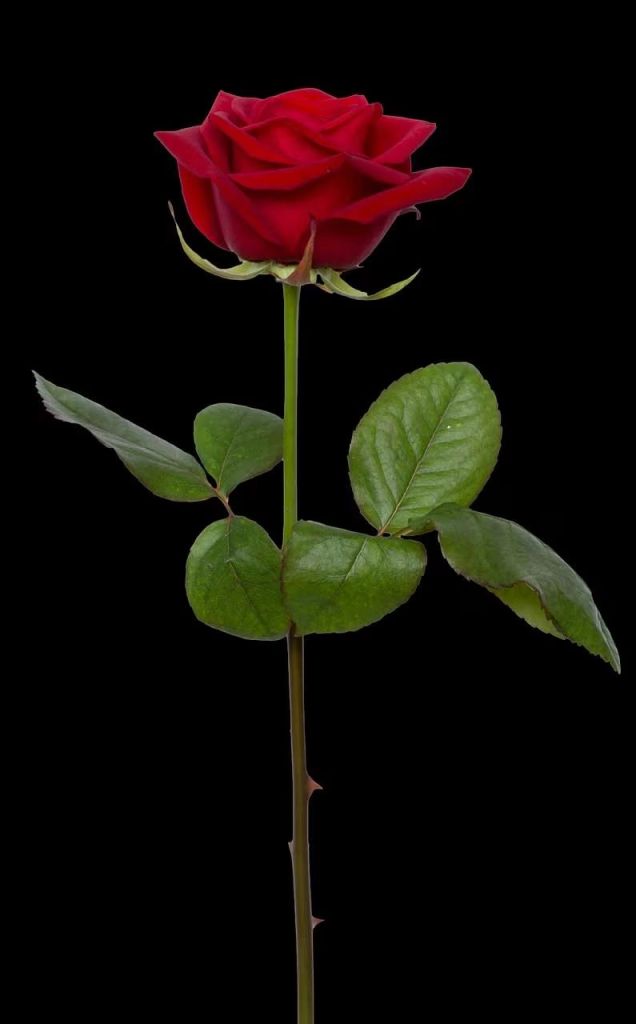
That’s right, folks. Roses are one of the most popular funeral flowers there are. Guys and gals, when you’re thinking about next Valentine’s Day, maybe, just get your beloved a card and skip the dead flowers. Roses are popular because traditionally they are one of the scented flowers used before the invention of embalming to mask the smell of death. So, every time you give your lover a rose, you’re masking the smell of death. Think about THAT. Violets are also traditional. Why, even Shakespeare mentions them in the famous tragedy, MacBeth when Ophelia’s death comes too soon, which is the symbolism of the flower. Their purple color represents heaven.
There are some lesser-known funeral flowers, which even I didn’t recognize what they look like. These include: the alstroemeria, a six petaled flower. Each petal represents a virtue: understanding, humor, patience, compassion, decisiveness, and respect. It’s a long-lasting cut flower. When I worked at a floral shop, we did a LOT of funeral arrangements, and we were always looking for ways to fill the bouquets, sprays, and wreaths with flowers that would make it from the chapel to the grave and home with the bereaved. (Personally, I preferred doing the funeral arrangements to items like the plastic ducks for The Elk Lodge or the boutonnieres for high school dances and weddings with the endless pins always pricking me, leaving me a pin cushion by the end of the week.)
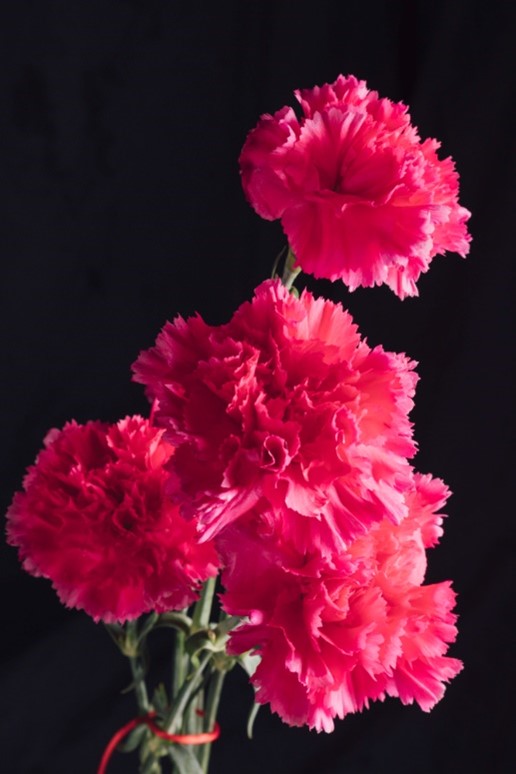
The other hardy and traditional flower in funeral arrangements is a pink or white carnation. Carnations also mask smells. White represents innocence and purity, while pink represents remembrance. Gladioli are the final long-lasting flower I know of, but they don’t mask a smell, though they’re pretty. They show strength of character in life and are uplifting during loss.
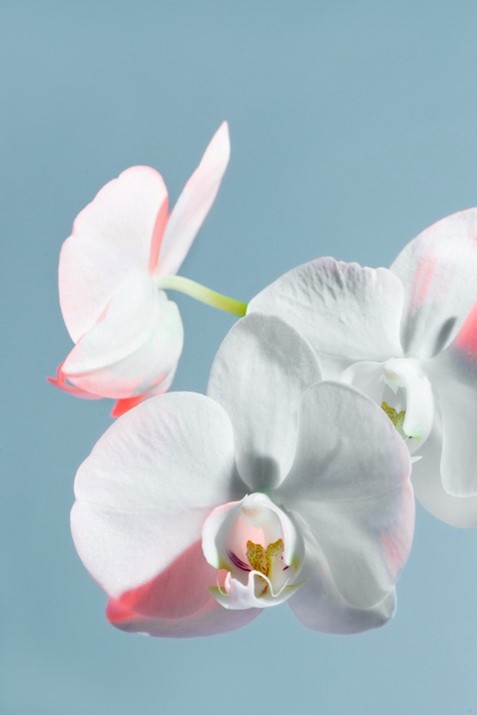
If you’re looking for a statement flower, you might try an orchid. The orchid says, “I will always love you,” If you are expressing sympathy, you send a pink, purple, or white orchid.
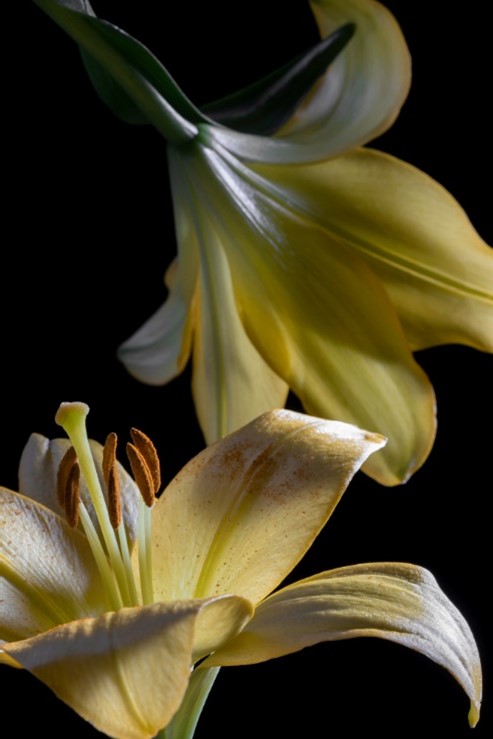
If you’re not showy, perhaps, you’d like the lily. Lilies are traditionally used in arrangements and represent the spirit of a loved one. The white ones symbolize someone who is strong in their faith. Oh, I forgot! These ones keep stinky death away too! 😊
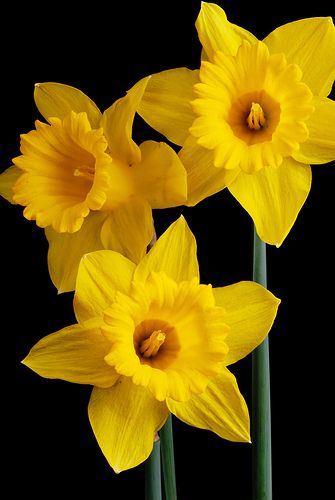
Daffodils and tulips are a popular choice because of their sunny yellow color which represents encouragement, hope, and renewal.
Hyacinths mean you are included in someone’s prayers, though, you better be careful sending those because some cultures believe hyacinths mean rashness. Oopsies! Irises are the official flower of the soldier, meaning faith, respect, hope, and valor. They are linked to the Greek Goddess Iris who guided souls to heaven. Daisies are a genuine farewell for a youth. Forget-me-nots are – well …. Self-explanatory. Chrysanthemums have ties to Europe and Asia. The color white in China, Korea, and Japan is a symbol of grief.
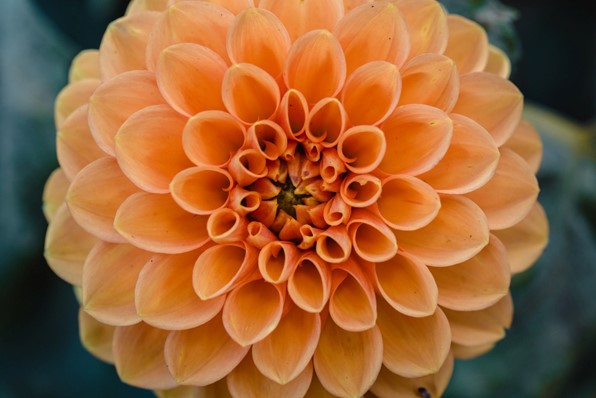
You may also send dahlias, which symbolize wealth, strength, and being “forever yours.”
If none of these flowers strike you as being the right one, you may try lesser-known funeral flowers like the magnolia, which stands for dignity and perseverance; the camellia, which stands for perfection, refinement, and excellence; gardenias, which are traditionally white and stand for peace, strength, and love, or lisianthus, which symbolize appreciation, gratitude, charisma. If that doesn’t work, try the cymbidium, the traditional orchid gift in China which represents a valued and respected friendship.
If you’d rather send something alive and NOT dead, you always have the traditional choice of the peace lily, which as its name suggests, symbolizes peace or the ivy, traditionally found carved on headstones in graveyards, because it symbolizes friendship, devotion, allegiance, and faithfulness.
There are also meanings to different colors to take into account when considering your arrangement:
Orange: warmth, energy, strength, soothing
Green: renewal of life, soothing
Black: the traditional mourning color of the West
Purple: dignity and respect
Blue: deep mourning and hope for the future
White: Innocence and renewal
Pink: remembrance
Red: Romantic Love
Yellow: Friendship
A few fun facts about flowers and funerals. The use of flowers has been dated back to 62,000 B.C. in Iraq. In Russia, flowers are given in even numbers traditionally because of their ties to soldiers – one for the soldier and one for God. And in the Midwest, if you were a “flower lady,” you were one of six ladies to carry flowers from the funeral home to the flower vehicle that would go the graveside and then to the family’s home.
And that, my friends, is what I know about funeral flowers. Happy Samhain! Or by the time you’re probably reading this … A very merry autumn to you.
**
ABOUT THE AUTHOR:

Nora B. Peevy is a cat trapped in a human’s body. Please send help or tuna. She has a Bachelor of Arts in English Degree with a Concentration in Creative Writing from Cardinal Stritch University and is an Olympic champion sleeper, toiling away for JournalStone/Trepidatio Publishing as a submissions reader and a reviewer for Hellnotes. She is also reading screenplays for the Lovecraft Film Festival again this year. Her first novelette, For the Sake of Brigid was released in May of 2024 and her first novel, Flesh Eating Turtles! will be coming out later this year. Her quirky stories are published in Eighth Tower Press, Weird Fiction Quarterly, Obsidian Butterfly, and other presses. You can find her on Facebook (as Onyx Brightwing), her blog, She Writes Fast | A blog for writers and readers (wordpress.com), and on Slasher as @Sekhautet. She naps in Milwaukee, Wisconsin.
Discover more from Weird Wide Web
Subscribe to get the latest posts sent to your email.
 Weird Wide Web