
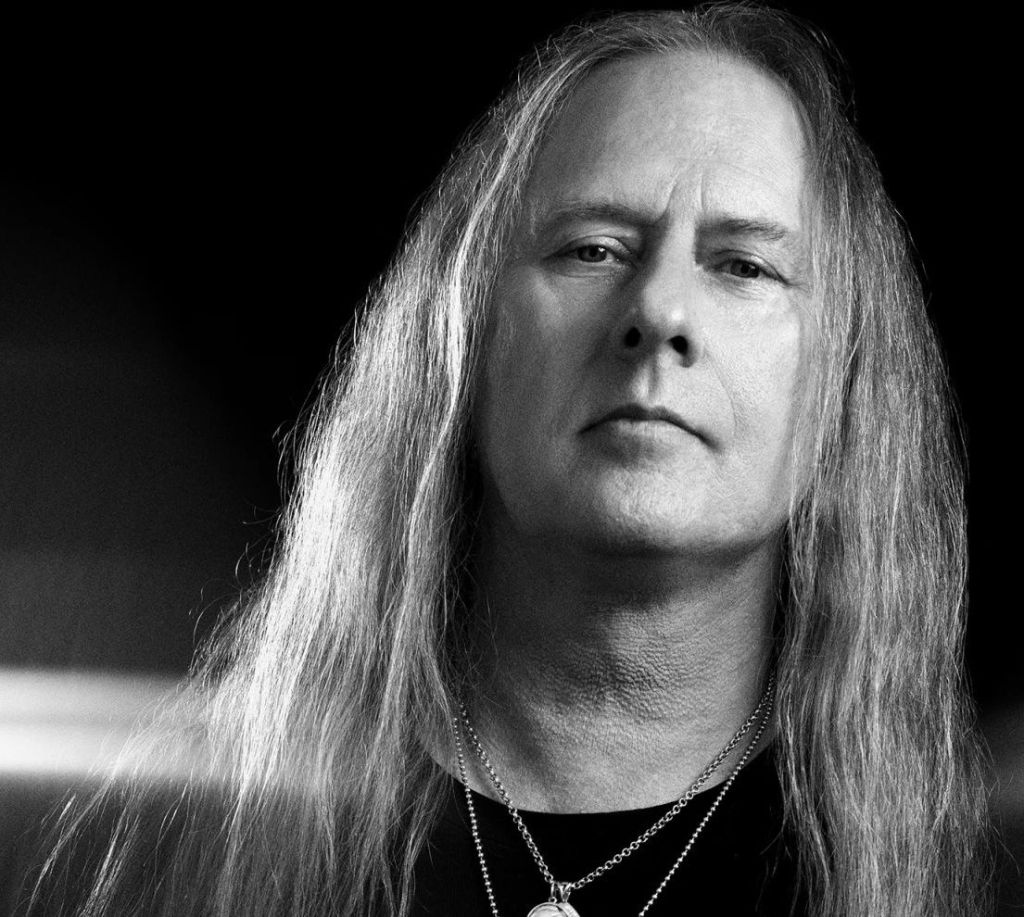
Of late and especially over the past year, I find myself attending concerts abounding with legendary music from artists and bands who are no longer with us. I’ve seen Jerry Cantrell, singer, guitarist, and songwriter for Alice in Chains on a couple of his solo tours, performing a slew of AiC classics in addition to his own newer material.
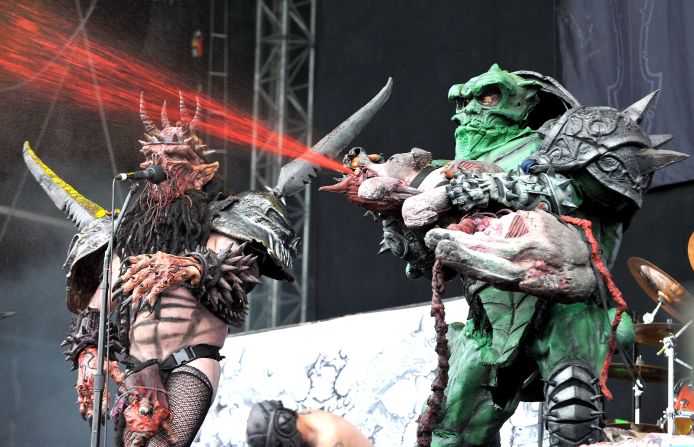
On a few different occasions, I’ve seen post-Oderus Gwar belting out obnoxious tunes from the band’s heyday and dousing the crowd in blood and other dubious alien organic matter.
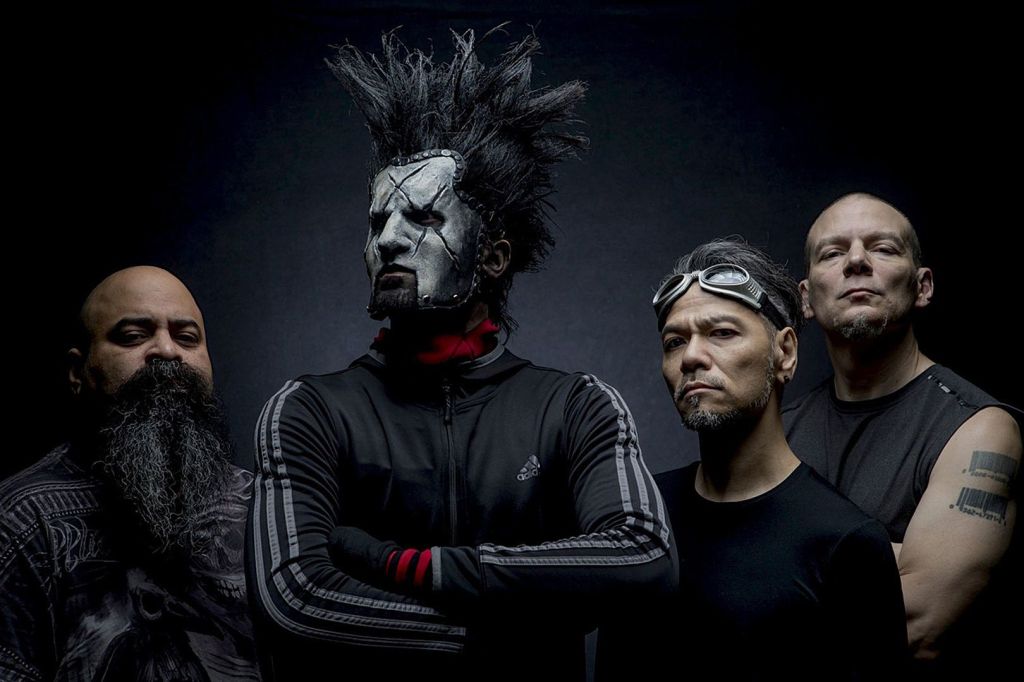
I’ve caught the new lineup of Static-X, featuring the masked lead vocalist known only as Xero, though the band’s original singer, Wayne Static, has been gone for a long while now.
At that last aforementioned show, one concert attendee recognized me as an author, and we had the chance to talk about music. His friend was surprised to know that I had seen Static-X with Wayne Static years back, and mentioned that he hadn’t even been born yet!
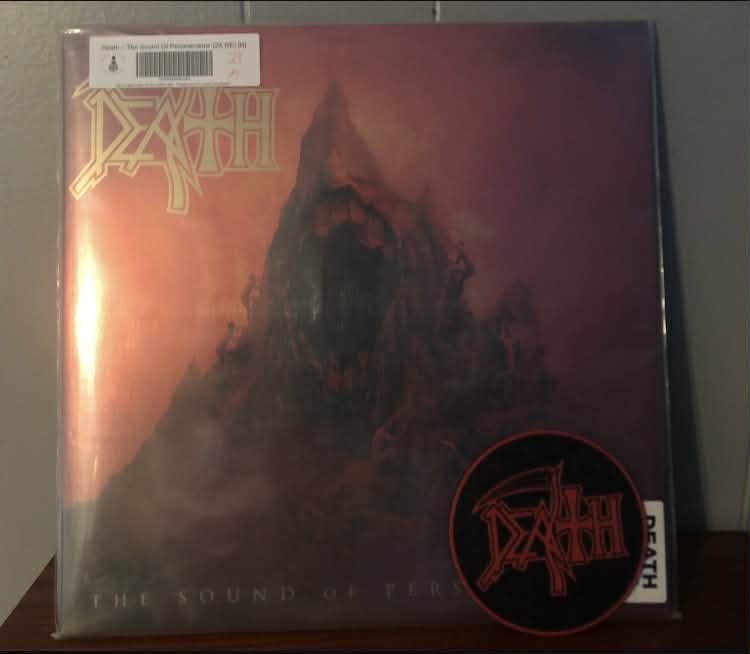
I noticed various patches adorning his jacket, including one of Death, the original death metal band fronted by Chuck Schuldiner, who passed in December of 2001. We talked about Death’s final album, The Sound of Perseverance. I remembered buying it near the time it released back in 1998, with whole racks of the compact disc release available at Best Buy, and more recently purchased a vinyl copy from Iron Horse Records in Van Buren, Arkansas.
I love that an entire new generation—generations, even—have the opportunity to dive into this music and explore. Just as the musicians of today were influenced by those of yesteryear and decades prior, new legions of fans are discovering the sonic assault of metal’s origins, whether we’re speaking of death metal, progressive metal, or fusions of both as Chuck Schuldiner’s Death came to be by the time of Symbolic and The Sound of Perseverence—or even the style of techno metal popularized by bands such as Static-X. I first caught Static-X as one of many bands to grace the stage of Ozzfest some twenty-five years ago. I had seen the music video for “Push It,” but seeing them live revealed an incredible performance that demanded my dollars for a new-at-the-time copy of Wisconsin Death Trip.
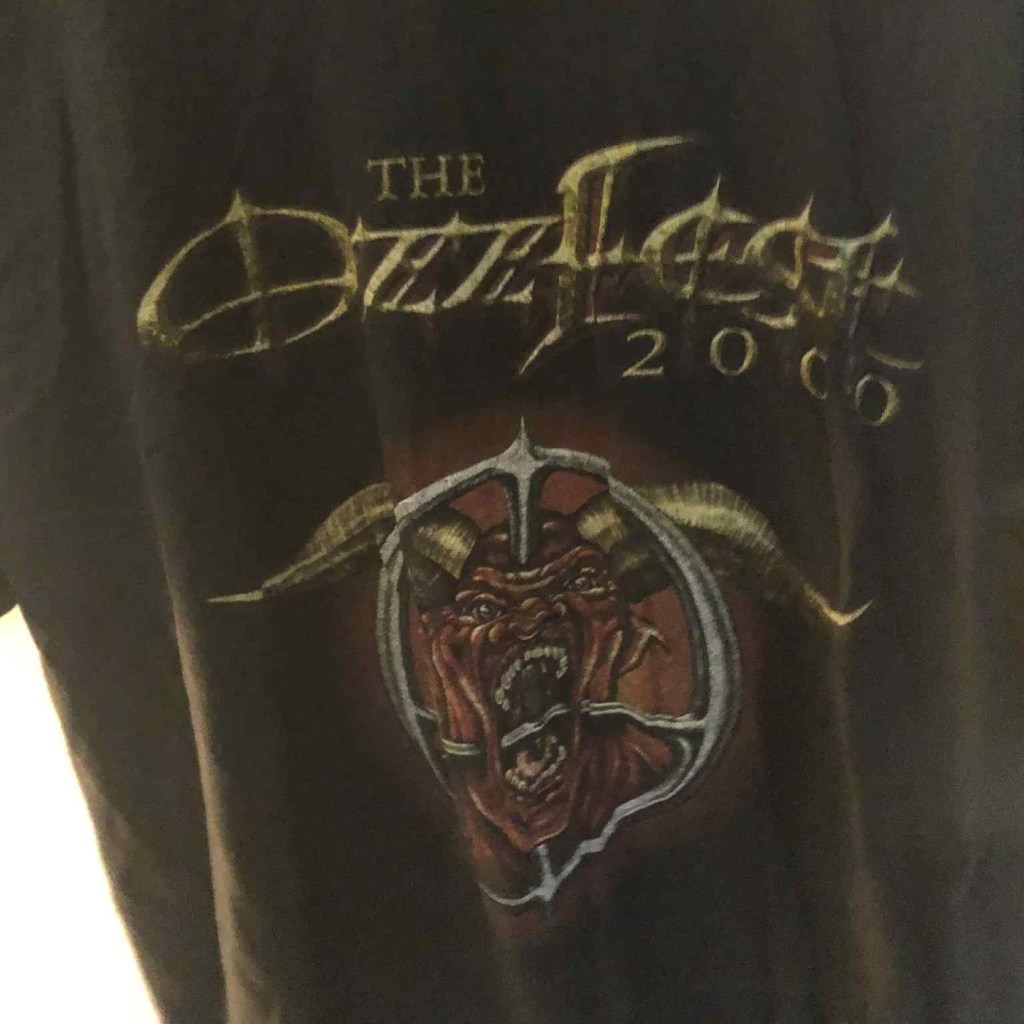
Pantera played that year’s Ozzfest as well, blasting fire from the band’s logo and shredding out a killer set that brought fans storming past security and into the already-crowded pit of the arena. Ozzy Osbourne himself took the stage next to close out the show. At that time, guitarist Joe Holmes accompanied Ozzy’s band, while previous and recurring guitarist Zakk Wylde, whom we’ve heard on No Rest for the Wicked, No More Tears, and Ozzmosis fronted his own band, Black Label Society.
Speaking of which, that was also the first time I caught Black Label Society, who opened with “Stoned and Drunk,” a live staple from their top-notch The Blessed Hellride album. My friend Blake helped introduce me to more of Black Label Society’s musical catalog, and I’ve seen them in concert numerous other times over the years.
Twenty-five years, four Ozzfests, and countless concerts and musical experiences later, I can say I’ve been fortunate to have seen Zakk Wylde and Ozzy Osbourne in concert, and more than once, and I have also seen the mighty Black Sabbath dominate the stage on two separate occasions.
On July 5, 2025, the world watched Black Sabbath claim the stage to perform their final concert. Back to the Beginning, this feature was called, and the concert featured bands such as Metallica, Slayer, Anthrax, the current lineup of Alice in Chains, and today’s lineup of Pantera which includes Zakk Wylde on guitar and Charlie Benante on drums, as well as many other bands and artists honored to pay tribute to the musical legacy of Black Sabbath.
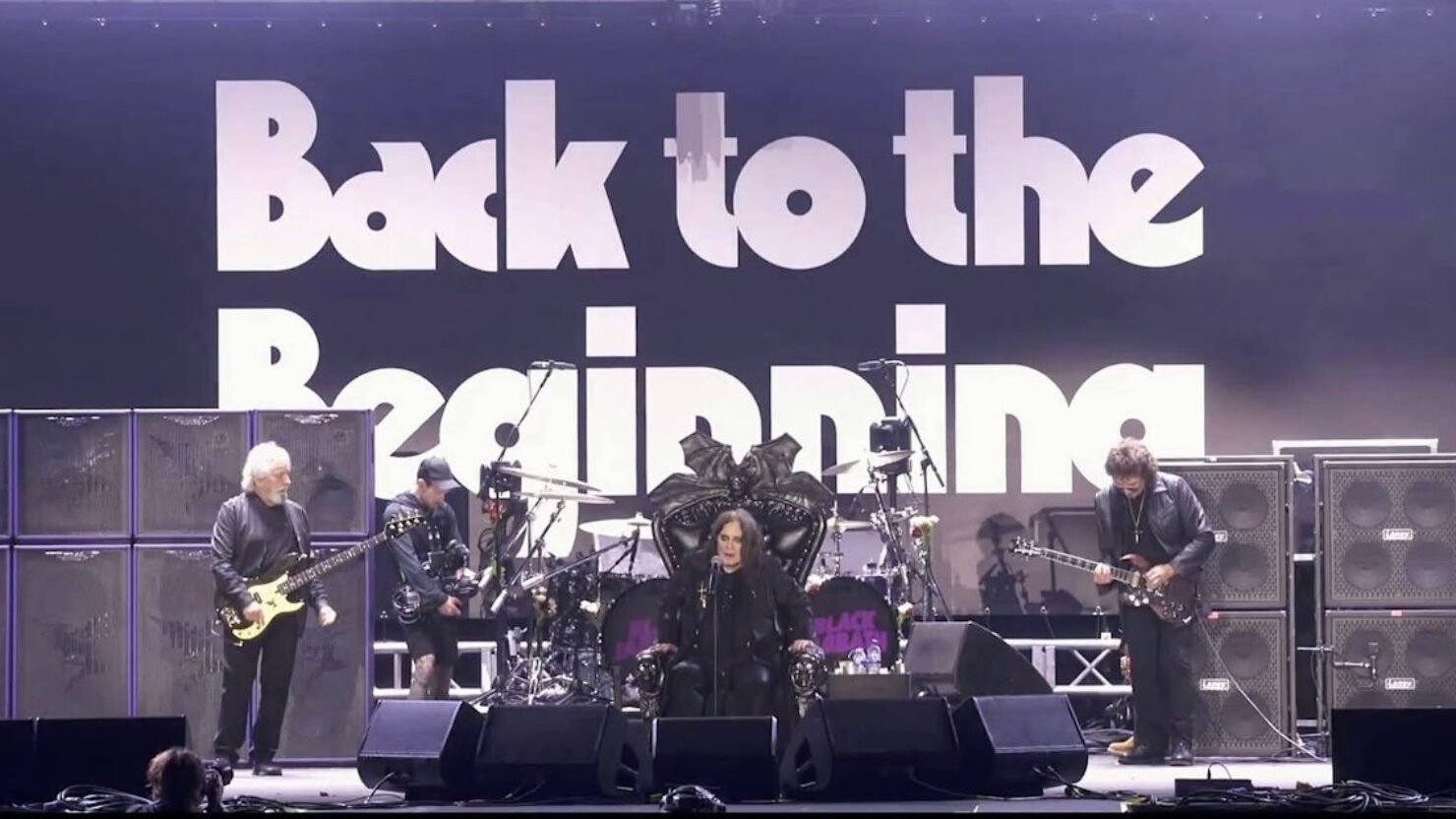
Back to the Beginning was an immense concert, drawing fans worldwide and lasting ten hours. It commenced at Villa Park in Aston, Birmingham, England, quite close to where Black Sabbath originally formed in 1968. Those performing played a combination of original songs and Ozzy and Black Sabbath covers, an evening leading to the final performance of Ozzy himself with the lineup of his final band, which included Tommy Clufetos, Mike Inez, Adam Wakeman, and Zakk Wylde, and in the end, the legendary original lineup of Black Sabbath—Ozzy Osbourne, Tony Iommi, Geezer Butler, and Bill Ward.
Iommi’s doom-laden riffs descended, supplemented by Butler’s down-tuned bass and Ward’s approach of sophistication balanced by purpose to remind the world of Black Sabbath’s influence and inspiration on decades of musicians and subgenres of rock and heavy metal, and Ozzy sang from a black throne.
Back to the Beginning proved to be the highest grossing benefit concert in history, raising $190 million for charities such as Acorn Children’s Hospice, Birmingham Children’s Hospital, and Cure Parkinson’s.
While the dust settled from this monumental event, friends, fans, and reviewers discussed the concert across social media. On my way back from a writing convention, book expo, and film festival in Kentucky, Imaginarium, I listened to Black Sabbath’s debut album from start to finish. Shortly after I returned, I received news that Ozzy had passed.
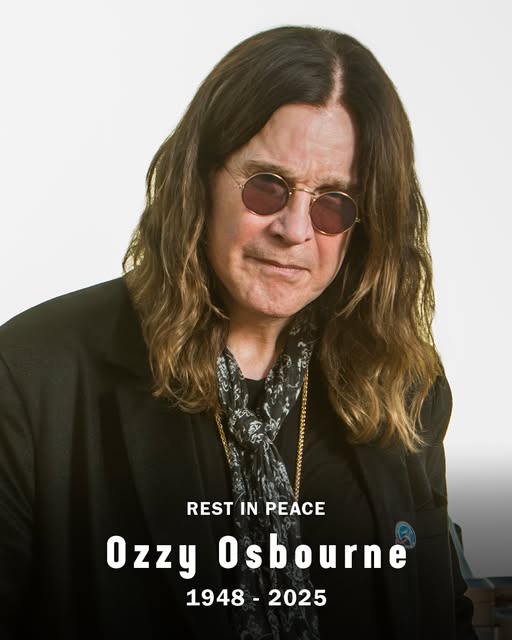
That evening, I blasted “War Pigs,” because nothing, not even the end of an era nor the resulting absence can silence the music that has accompanied us through better times and hard trials, my dear friends and fiends.
I recently had the chance to see Zakk Wylde perform with his Black Sabbath tribute band, Zakk Sabbath, at the Tulsa Theater in Tulsa, Oklahoma. The special guests and opening acts were Bonfire, an ACDC cover band from Los Angeles, and Dark Chapel, featuring Dario Lorina of Black Label Society and previously of Lizzy Borden.
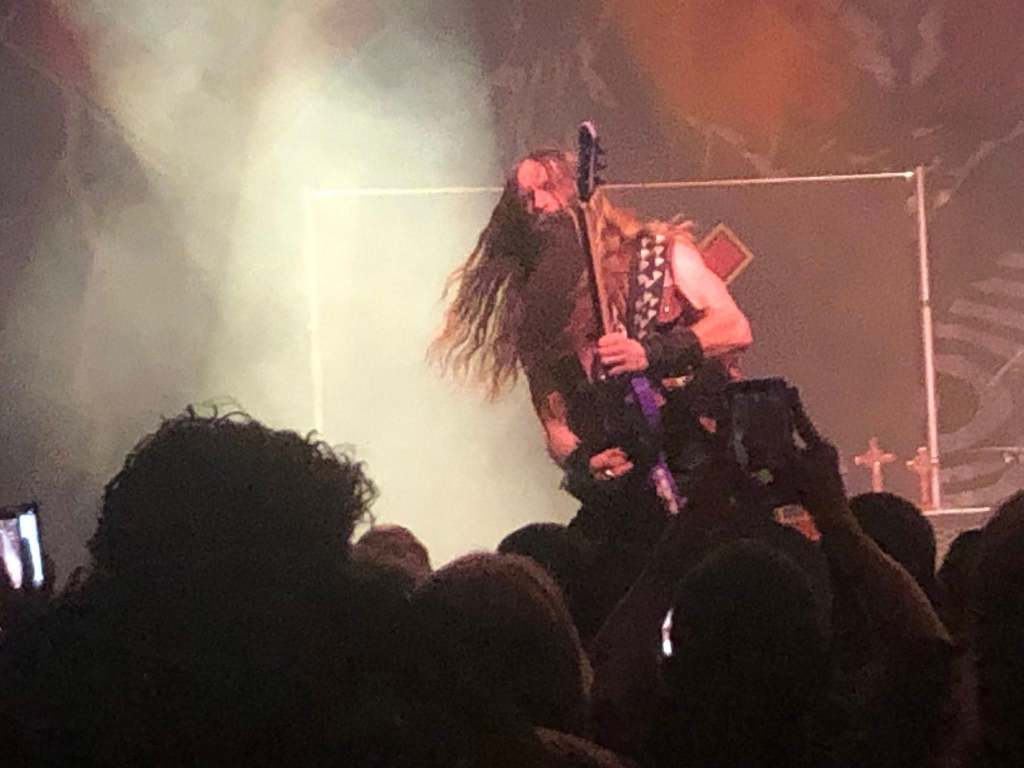
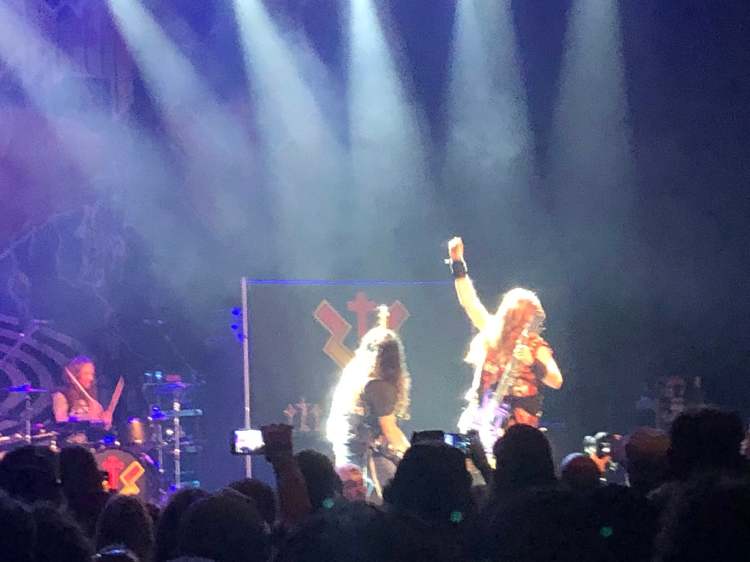
The place was packed. My wife, a longtime fan of Ozzy and Black Sabbath, as was her father, commented on the size of the crowd. My guess is that a lot of people out there are missing Black Sabbath and Ozzy, and we are defiant in knowing that while we can never see them in concert again, we will always have the music and refuse to allow anyone or anything to steal it from our grasp.
Also, Zakk is a beast.
Zakk Sabbath’s lineup of Zakk Wylde, Rob “Blasko” Nicholson, and Joey Castillo were on-spot, even if these versions varies slightly from the originals, though Ozzy’s influence is quite apparent in Zakk’s vocal stylings for this particular band. They slammed through classics such as “Snowblind,” “Wicked World,” “Children of the Grave,” “N.I.B.,” and “War Pigs,” renditions mostly faithful to the originals with a few slight variations unique to Zakk’s own style.
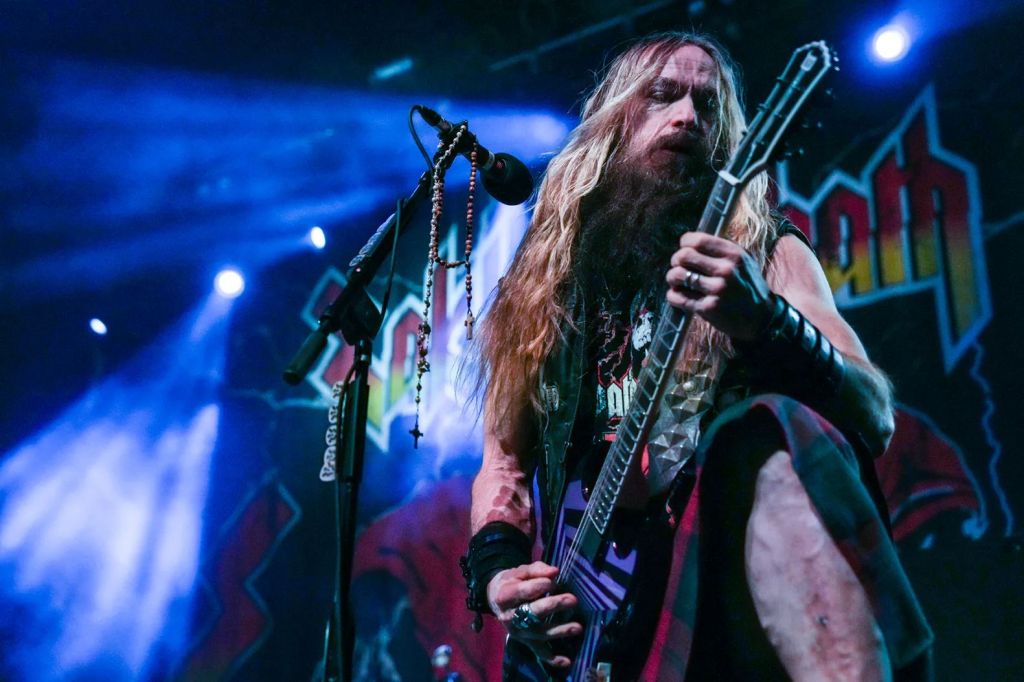
I went into this experience without expecting to see Black Sabbath resurrected, but to celebrate the music with those who would continue its legacy, to watch, hear, and feel Zakk and company bring their own thunderous spin to the classics of Black Sabbath, and in that they did not disappoint.
The music transcends, changes hands in a fashion, finds new ears and new interpretations, and this is evidence that we have never stopped listening. Perhaps the actual tragedy is in knowing that our favorite musicians will never write another song, strike another chord, or deliver another verse, but this is the burden of time, and somewhere, some-when beyond that, its beauty, however heavy.
Nonetheless, we will always have the music.
ABOUT THE AUTHOR:

Tommy B. Smith is an award-winning writer of horror and dark fiction whose works meander through the darker spaces of the psychological and the cosmic. He has been featured in numerous publications to span the years, and is the author of several books, including the Black Carmenia series, as well as lending his occasional reflections on music, books, or experiences that capture his interest. His presence currently infests the west Arkansas River Valley, where he resides with his wife and five cats.
More information can be found on his website at http://tommybsmith.net.
Discover more from Weird Wide Web
Subscribe to get the latest posts sent to your email.
 Weird Wide Web