
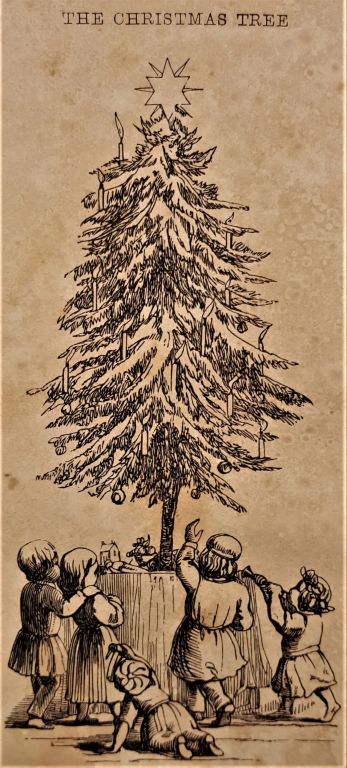
One of our favorite American traditions is decorating our Christmas trees after Thanksgiving with lights, ornaments, garland, and tinsel… but there’s a darker story to this happy image. Before Christianity adopted the pagan practice of Christmas trees, pagans hung evergreen boughs above their doors and windows, not for a bit of festive flair, but to protect them from ghosts and illness. This was because trees that remained green all year were considered sacred, and highly prized.
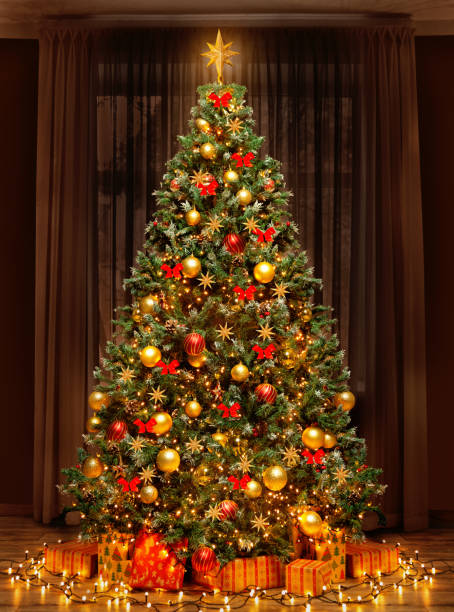
On the winter solstice, the darkest day of the year, green boughs decorated doors and windows to remind people of the coming season when all plants would re-sprout and life would return with a stronger sun.
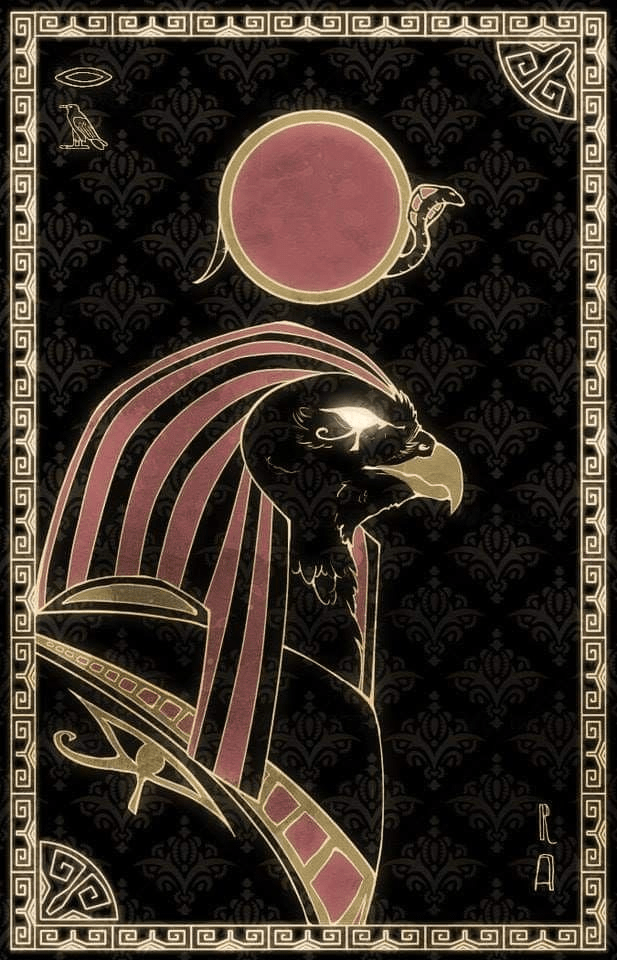
In ancient Egypt, in honor of the sun God, Ra, who wore a disc of the sun as a crown and was adorned with palm trees and papyrus leaves to symbolize his triumph over illness and overcoming death. People decorated their houses with the same plants.
Romans celebrated Saturnalia on the winter solstice and decorated their homes and temples of evergreen boughs in the coming of the next season and the return of the light.
In Norway, Druids decorated with evergreen boughs as a sign of eternal light.
The Vikings honored mistletoe. It symbolized the death of Baldur, the god of light.
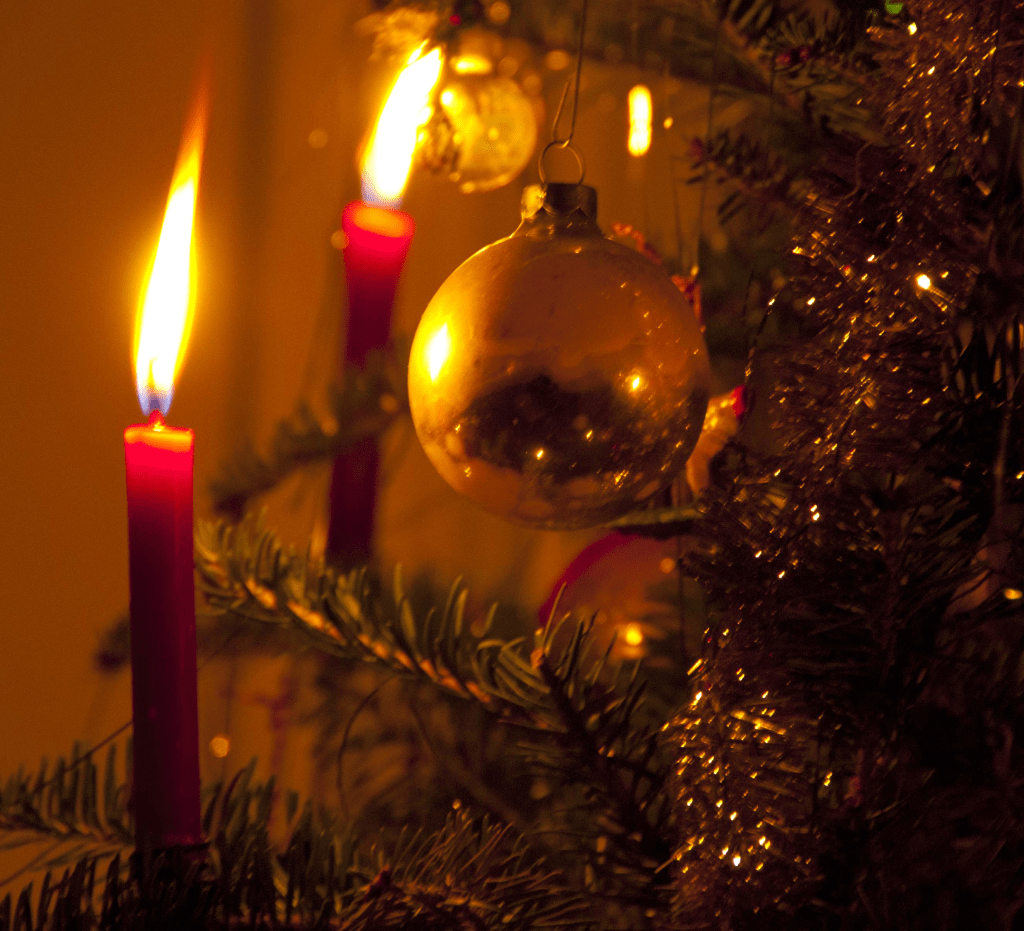
One of the earliest trees was in a Strasbourg Cathedral in 1539. In the 16th, Germany is credited with the first indoor Christmas trees, but some were Christmas pyramids made of wood, with evergreen boughs and candles. If green boughs were scarce, they would use wood and candles. (This sounds like a disaster waiting to happen, but who am I to judge? *shrugs*.) Martin Luther, the 16th century Protestant Reformer, is the man who came up with Christmas lights after walking home one night and seeing the stars twinkling in the sky. He used candles to decorate his tree. And the tradition caught on.
As much as they were loved around the rest of the world, Americans thought Christmas trees were strange, and the 1840s Puritans deemed Christmas trees as evil. They were illegal. In 1659, the General of Massachusetts passed a law, making Christmas trees penal, as well as celebrating Christmas on the 25th.

But then came a long fashionable Queen Victoria and her wonderful Christmas tree, embracing the traditions of her people. Ornaments started being imported from Europe, and Christmas trees were made legal in the 1840s after Germany started importing standard size trees of four feet, while Americans preferred trees reaching their ceilings. The first artificial tree was not made until 1930, when it was invented by Addis Housewares Company.
Then came the invention of electricity, which made it possible to enjoy trees longer in their homes. Christmas trees started decorating public areas in the early 20th century, and the first public lighting of a tree in Rockefeller Square was in 1931. It was a small tree because it was The Depression Era and it was unadorned, but today it is a beloved tourist site.
Next time you are decorating your tree with your family, you can look back fondly at where the tradition started and how far it has come.
*
ABOUT THE AUTHOR:

Nora B. Peevy is a cat trapped in a human’s body. Please send help or tuna. She is an Olympic champion sleeper and toils away for JournalStone/ Trepidatio Publishing as a submission reader, a reviewer for Hellnotes, and reads scripts for The H.P. Lovecraft Film Festival. Ms. Peevy recently took the position writing nonfiction articles for The Weird Wide Web. She also is a syndicate author for Thrill Ride eZine and has taken up freelance editing as well as editing for Unveiling Nightmares. Her quirky tales are published by Eighth Tower Press, Carnage Press, The Sudden Fictions Podcast, Unveiling Nightmares, and other places. For the Sake of Brigid, her first novelette just came out in May of 2024 and her first novel, Flesh-eating Turtles!!! will be debuting in late December/early 2025.
Discover more from Weird Wide Web
Subscribe to get the latest posts sent to your email.
 Weird Wide Web